As China’s livestock industry moves towards standardization and intensification, the stable supply of high-quality feed has become a key factor determining the profitability of livestock farming and the quality of livestock products. The traditional feed processing model has problems such as uneven nutritional ratios, susceptibility to mold, and high transportation losses, making it difficult to meet the refined demands of modern livestock farming. Against this backdrop, the feed pellet production line, with its outstanding advantages of standardized processing and nutritional preservation, has rapidly become the core equipment in the livestock farming industry chain, providing efficient and safe feed solutions for livestock farming.
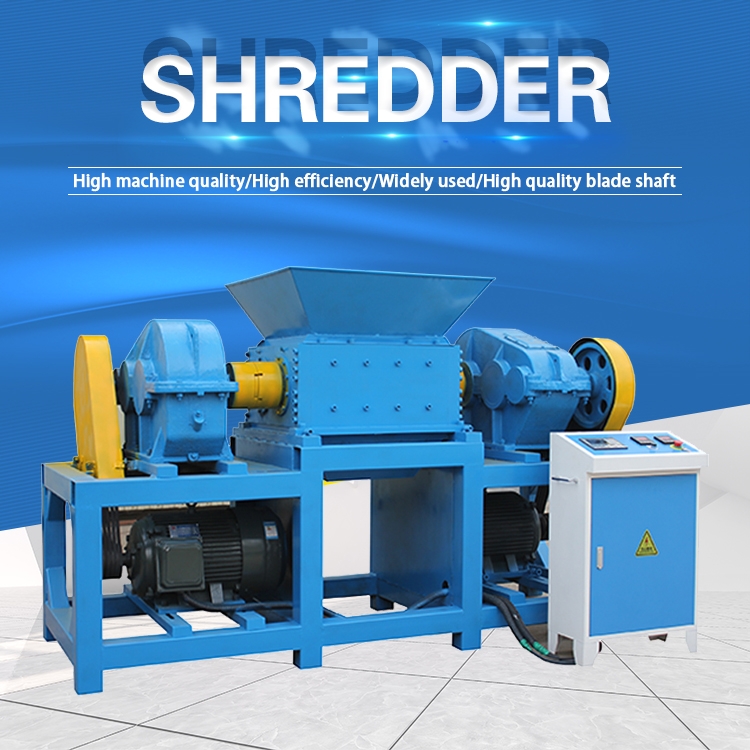
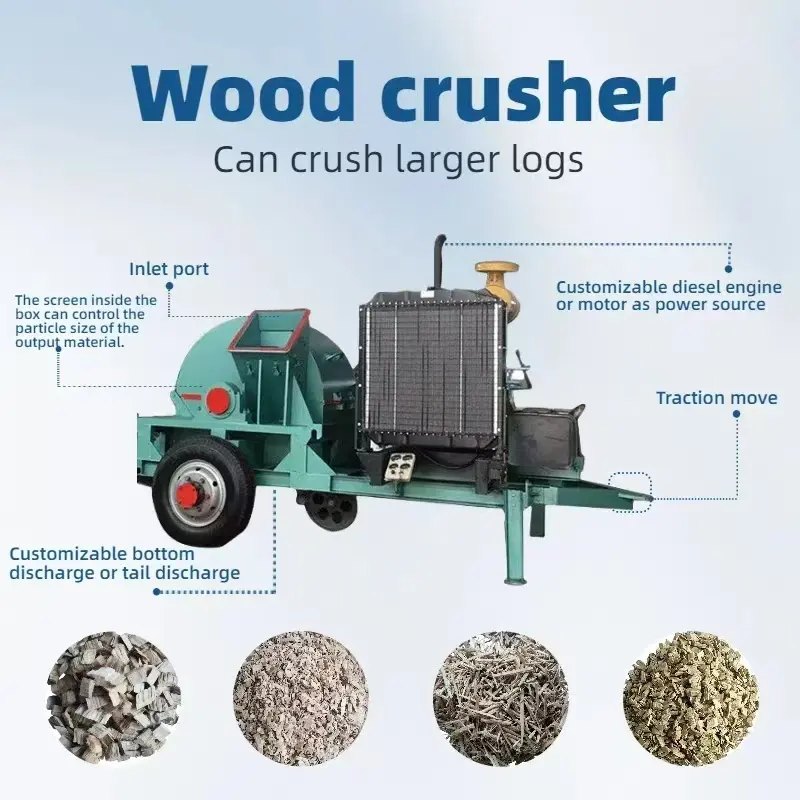
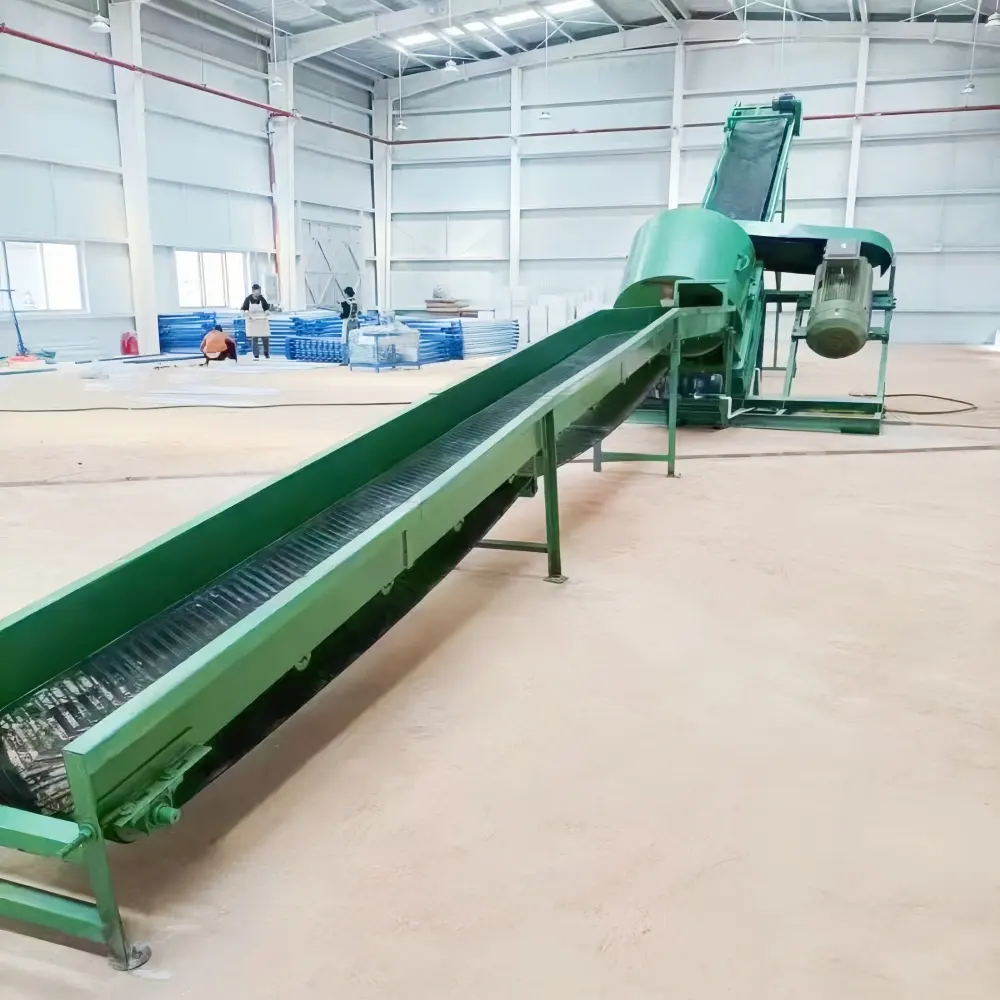
The feed pellet production line is a systemized processing equipment that integrates the processing of feed raw materials, ratio matching, pellet production, and finished product handling. Its core consists of a raw material pre-treatment system, precise batching system, pelletizing machine, cooling and drying system, screening and packaging system, and intelligent control system. Its working process is fully standardized throughout the chain: first, raw materials such as corn, soybean meal, and bran are processed into fine powder by the crushing equipment, then mixed with various nutrients and additives in the batching system according to scientific proportions, then the pelletizing machine forms uniform pellets through high-temperature extrusion, and finally, after cooling and drying to remove moisture and screening out impurities, standardized feed pellets can be produced. The entire production line relies on the intelligent control system to achieve precise parameter regulation, ensuring stable quality of each batch of feed.
Nutritional balance and safety control are the core advantages of the feed pellet production line. Traditional powdered feed is prone to problems such as component stratification and livestock’s selective eating. However, this production line, through precise ingredient blending and mixing technology, can evenly incorporate nutrients like protein, vitamins, and minerals into the pellets, ensuring that livestock receive a comprehensive diet. At the same time, the high-temperature treatment during the pellet production process can effectively kill harmful bacteria and parasite eggs in the raw materials, reducing the risk of intestinal diseases in livestock. Moreover, the sealed nature of the pellets makes them less prone to moisture absorption and mold growth, extending the storage shelf life. A person in charge of a large-scale pig farm stated: “After switching to the feed pellet production line, the diarrhea rate of piglets decreased significantly, and their growth rate increased. The breeding efficiency has improved visibly.”
Efficiency, convenience and cost optimization have further enhanced its market value. The production line adopts a modular design, achieving automated and continuous operations from raw material input to finished product packaging. Compared to the traditional manual processing mode, it not only significantly improves production efficiency but also reduces errors and pollution caused by manual operations. The granular feed has a high density and small volume, making it convenient for transportation and storage, and can reduce logistics and storage costs. At the same time, it has good palatability, resulting in less waste during livestock and poultry feeding, and the feed utilization rate is significantly higher than that of powdered feed. Moreover, the production line can flexibly adjust the feed formula and particle specifications according to different livestock and poultry breeds (such as pigs, chickens, cattle and sheep) and growth stages, and is highly adaptable.
The wide range of application scenarios has enabled the feed pellet production line to be fully implemented in the livestock breeding sector. In large-scale livestock farms, it can meet the large-scale feed demands of pig farms with tens of thousands of pigs and chicken farms with hundreds of thousands of chickens; in small and medium-sized family farms and breeding cooperatives, the miniaturized production line can precisely match their production scale and reduce the investment threshold; in specialized feed processing enterprises, the production line is the core support for achieving standardized and branded feed production. At the same time, it can also play a role in specialized livestock breeding (such as rabbit, duck, and aquatic breeding), through customized processing to meet the nutritional needs of different breeding objects, providing a guarantee for the development of the characteristic livestock breeding industry.
With the intelligent upgrading of the breeding industry, the feed granule production line is moving towards greater precision and intelligence. New production lines integrating functions such as AI formula optimization, real-time nutrition monitoring, and remote operation have been gradually promoted, further enhancing the scientificity and convenience of feed processing. In the future, the feed granule production line will continue to deeply integrate into the breeding industry chain, providing more solid equipment support for promoting cost reduction and efficiency improvement in animal husbandry, ensuring the safety of livestock and poultry products, and assisting in rural revitalization.