In the wave of the building industry’s transition towards low-carbon and industrialization, the traditional cast-in-place construction model is facing numerous challenges such as long construction periods, high resource consumption, and excessive construction waste. Prefabricated houses, with their innovative model of “factory prefabrication and on-site assembly”, have broken through the limitations of traditional architecture and have rapidly emerged in residential construction, public projects, emergency response, and other fields, becoming an important force driving the high-quality development of the building industry.
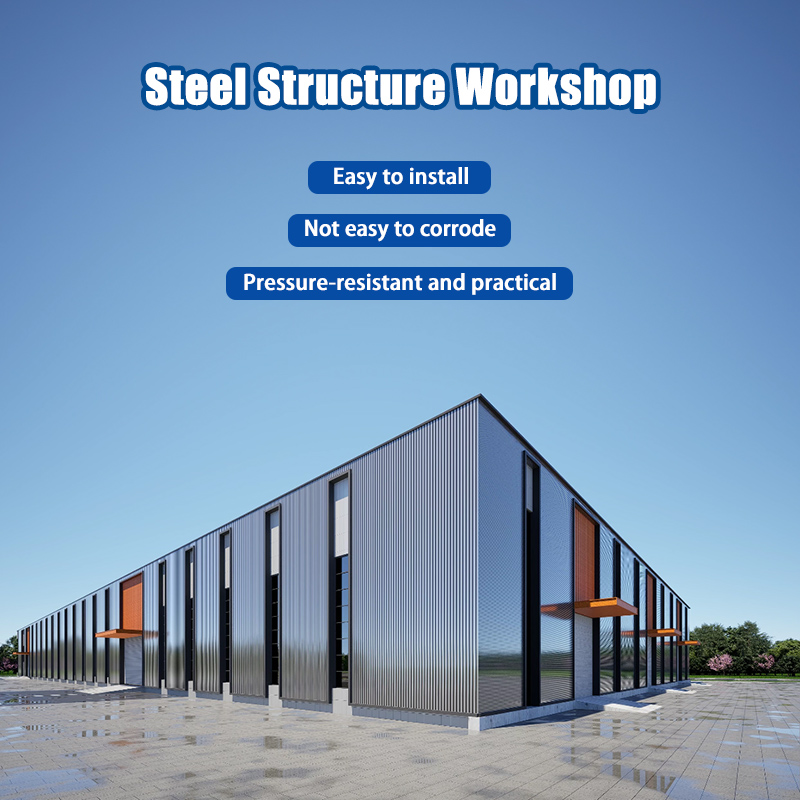
Prefabricated houses refer to houses constructed by assembling prefabricated components on the construction site. Their core consists of prefabricated concrete components, steel structure components, new enclosure materials, and supporting decoration components. The construction process achieves an efficient connection of “off-site precise manufacturing + on-site rapid assembly”: core components such as walls, floor slabs, beams, and columns are prefabricated in the factory through standardized production lines, undergo strict quality inspections, and then transported to the construction site, where they are quickly assembled by professional teams using bolt connections and grouting fixation methods, and finally completed with interior decoration. Compared to traditional cast-in-place construction, prefabricated houses transfer most of the construction processes to the factory, fundamentally changing the operation mode of the building industry.
Green environmental protection and high efficiency are the most prominent advantages of prefabricated houses. Factory production can precisely control the material usage, reduce the waste of building materials such as steel bars and cement, and avoid the generation of a large amount of construction waste at the construction site, which meets the environmental protection requirements under the “dual carbon” goals. During the construction process, there is no need for large-scale on-site concrete mixing or scaffolding erection, and the dust and noise pollution is significantly reduced. In terms of construction efficiency, the construction period of prefabricated houses is shortened by more than half compared to traditional buildings. Even in adverse weather conditions, the construction progress can be guaranteed, allowing the houses to be delivered for use more quickly. A residential project manager said: “By using prefabricated construction, a 10-story residential building was completed with the main assembly in less than 3 months, saving a lot of time costs compared to the traditional method.”
Stable quality and flexibility have further enhanced its market competitiveness. Prefabricated components are produced in a factory under constant temperature and humidity conditions, using standardized processes and precise mold processing. They have small size errors and a high rate of meeting strength standards, ensuring the quality of the houses from the very beginning. At the same time, the structural design of prefabricated houses is highly flexible, allowing for adjustments to the layout and architectural style according to different needs. They can not only meet the living needs of ordinary residences but also be adapted to public buildings such as schools, hospitals, and office buildings. Moreover, some prefabricated houses adopt modular design, featuring the characteristics of being detachable and movable, making later renovations and secondary utilization more convenient.
The wide range of application scenarios enables prefabricated houses to realize their value in multiple fields. In urbanization construction, prefabricated residences can quickly meet the housing needs of residents and help accelerate the progress of affordable housing projects; in rural revitalization, they can adapt to the characteristics of rural homesteads and create residential buildings that are both comfortable and have a rural style; in emergency response, prefabricated temporary resettlement houses can be quickly erected after disasters such as earthquakes and floods, providing safe shelters for the affected people; at the same time, they are also widely applied in tourist attractions, industrial parks, and outdoor operation bases, becoming the preferred solution for diversified building needs.
With the continuous advancement of construction technology, prefabricated houses have continuously made breakthroughs in material innovation and intelligent construction. The application of new environmentally friendly building materials makes the houses more energy-efficient and thermally-insulated. The integration of BIM technology enables digital control throughout the design, production, and construction processes. In the future, prefabricated houses will further develop towards the direction of intelligence and low-carbonization, bringing more profound changes to the construction industry and helping to achieve the goal of “making buildings more efficient, making living more comfortable, and making the environment more friendly”.