With the continuous advancement of infrastructure construction such as transportation, water conservancy, and urbanization in our country, the demand for sand and gravel aggregates, as the “foundation” of construction projects, has been growing increasingly strong. The traditional methods of crushing stones rely on manual labor or simple equipment, which are not only inefficient but also unable to guarantee the quality of the finished materials. Against this backdrop, modern stone crushers, with their efficient, stable, and multi-functional characteristics, have become the core equipment in the fields of mining and sand and gravel processing, providing high-quality material guarantees for infrastructure projects.
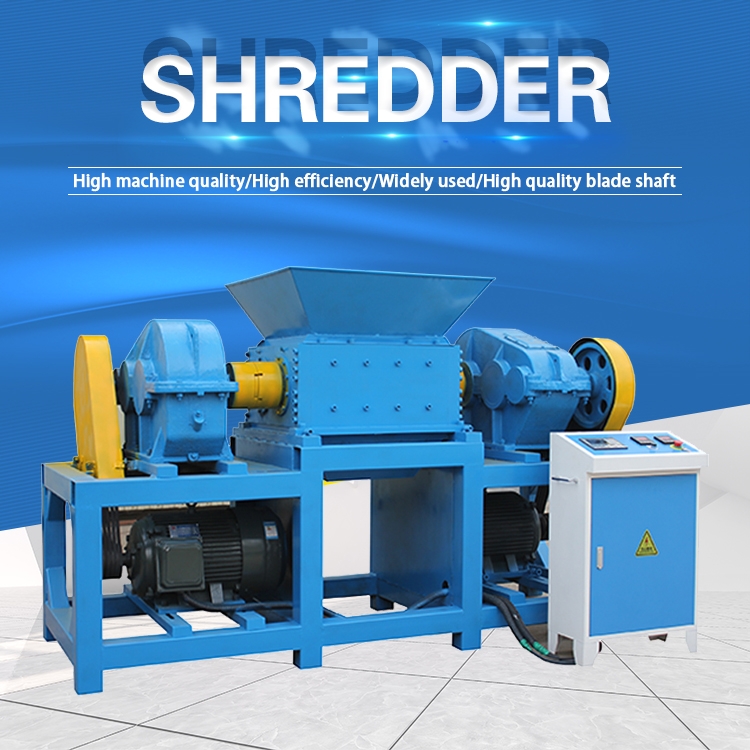
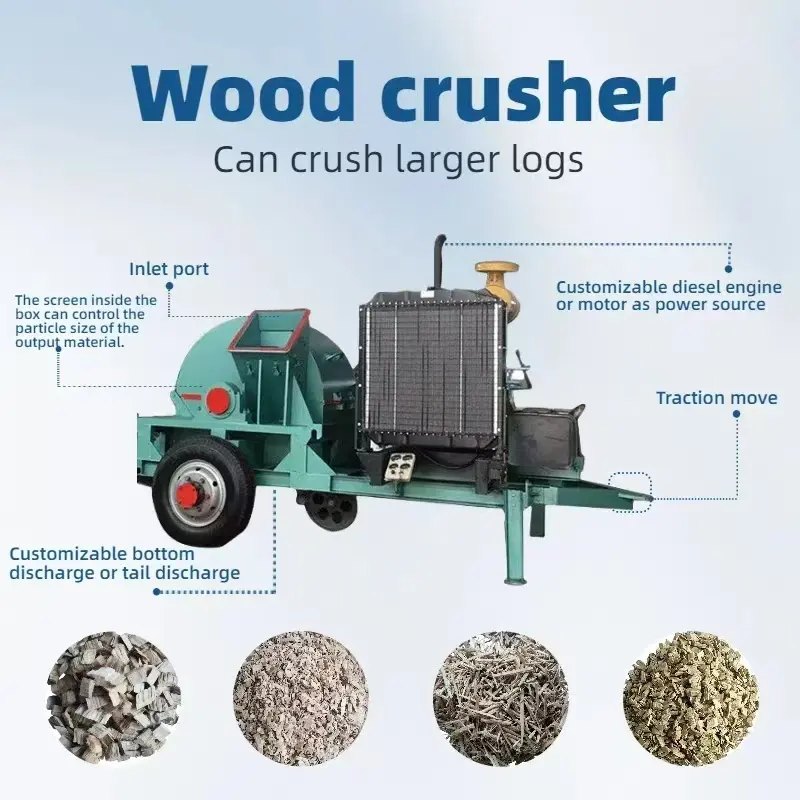
Stone crushers are heavy-duty equipment specifically designed for the crushing and processing of various rocks and minerals. Their core components include the feeding system, crushing chamber, transmission device, screening system, and intelligent control system. Depending on different crushing principles, they can be divided into various types. The common feature is that they crush stones through mechanical force by means of compression, impact, and shearing – large rocks enter the crushing chamber through the feeding port, and are gradually broken down under the action of wear-resistant components, then screened by the screening system to obtain finished materials that meet specifications, and the unqualified materials are returned to the crushing chamber for reprocessing. Compared with traditional equipment, they adopt a modular design, which can be flexibly combined according to the characteristics of raw materials and the requirements of finished products, achieving the entire process of coarse crushing to fine crushing.
Efficient crushing and stable quality are the core advantages of the stone crusher. This equipment is equipped with a high-power drive system and an optimized crushing chamber, which can quickly process rocks of different hardness such as granite, limestone, and basalt. The crushing efficiency is significantly improved compared to traditional methods. At the same time, the crushing process is highly controllable. By adjusting the equipment parameters, the particle size and gradation of the finished materials can be precisely controlled. The produced sand and stone aggregates have regular shapes and low impurity content, which can directly meet the material requirements of high-standard projects such as highways and high-rise buildings. A sand and stone processing plant manager said: “After switching to the new stone crusher, not only has the qualified rate of the finished materials increased, but the production rhythm can also keep up with the supply demand of infrastructure projects. The order volume has increased significantly compared to before.”
Durability, longevity, environmental friendliness and energy conservation have further strengthened its market position. The core crushing components of the stone crusher are made of high-strength wear-resistant alloy materials. After special processing, they can withstand the impact and friction of hard rocks, extending the replacement cycle of vulnerable parts and reducing operating costs. In terms of environmental design, the equipment is equipped with a sealed crushing chamber and a dust collection system, which can effectively reduce dust leakage during operation. Some models also adopt low-noise transmission structures, reducing noise pollution and meeting modern industrial environmental protection requirements. In addition, the application of the intelligent control system makes the equipment operation more convenient. Staff can complete parameter settings and operation monitoring through the touch screen, reducing manual intervention.
The wide range of application scenarios enables the stone crusher to play a crucial role in multiple fields. In the mining industry, it can be used for crushing ore in open-pit mines and underground mines; on construction sites, it can handle the rocks after blasting on-site to reduce material transportation costs; in the sand and gravel processing industry, it is the core equipment for producing manufactured sand and crushed stones; in the building materials sector, it can process solid waste such as tailings and waste rocks to achieve resource recycling. At the same time, it is indispensable in road construction, water conservancy projects, port construction and other scenarios, providing solid material support for the smooth progress of various projects.
With the intelligent upgrading of the infrastructure industry, stone crushers are moving towards larger and more intelligent designs. New types of equipment integrating functions such as remote operation, fault warning, and energy consumption monitoring have been gradually promoted, further enhancing the efficiency and safety of production. In the future, stone crushers will continue to focus on the crushing field, injecting stronger impetus to ensure the supply of sand and gravel materials and promote the high-quality development of infrastructure projects.