Under the guidance of the “dual carbon” goal, the transformation of the energy structure has entered an acceleration phase, and the development and utilization of renewable energy has become the focus of the industry. Every year, our country generates a large amount of biomass resources such as crop straw and forestry waste. In the past, improper handling often caused environmental pollution. Now, the promotion and application of biomass pellet production lines have achieved efficient conversion of biomass resources into clean fuels. This not only solves the problem of waste disposal but also injects green vitality into the energy market, becoming an important support for the development of new energy industries.
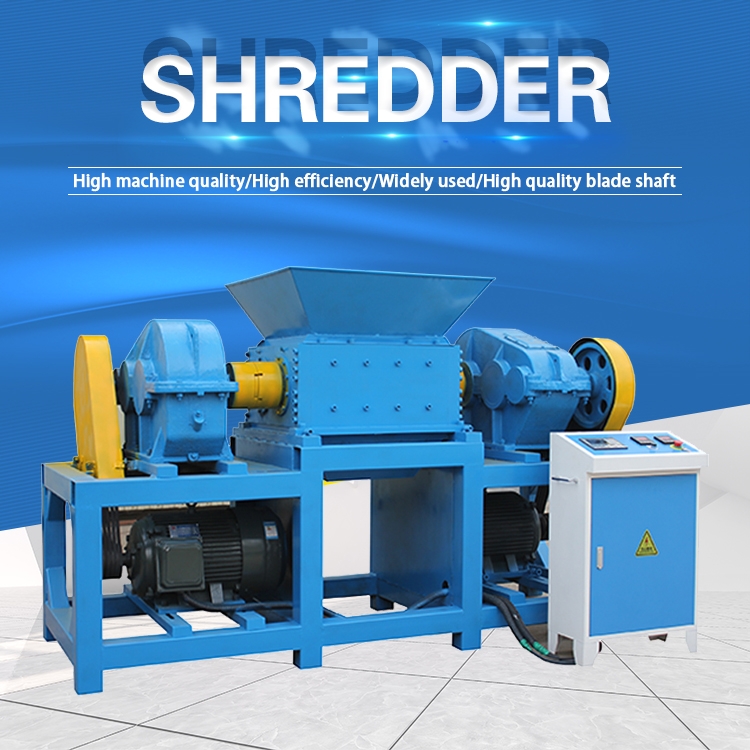
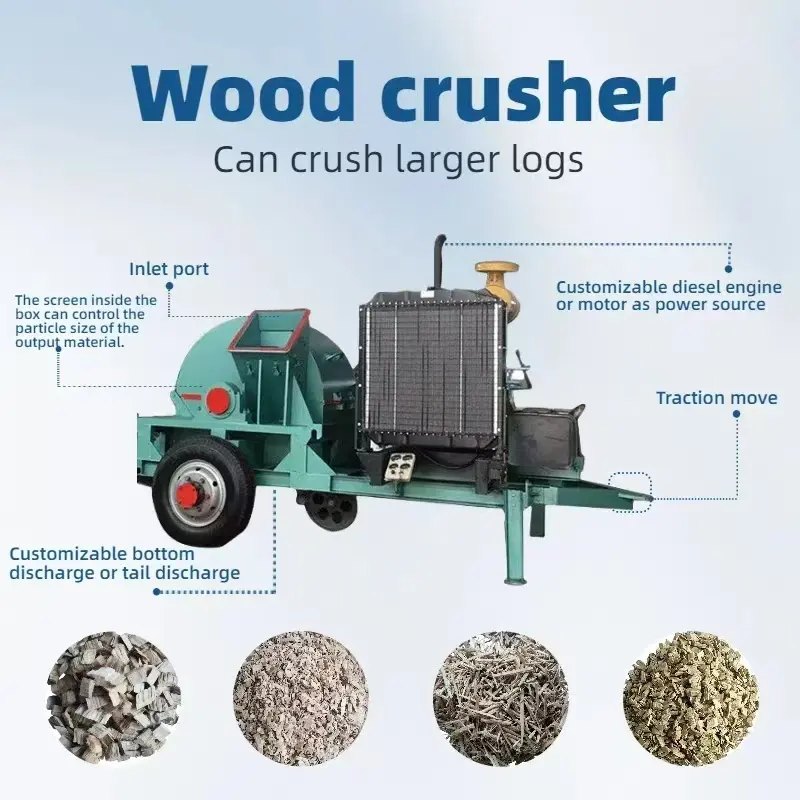
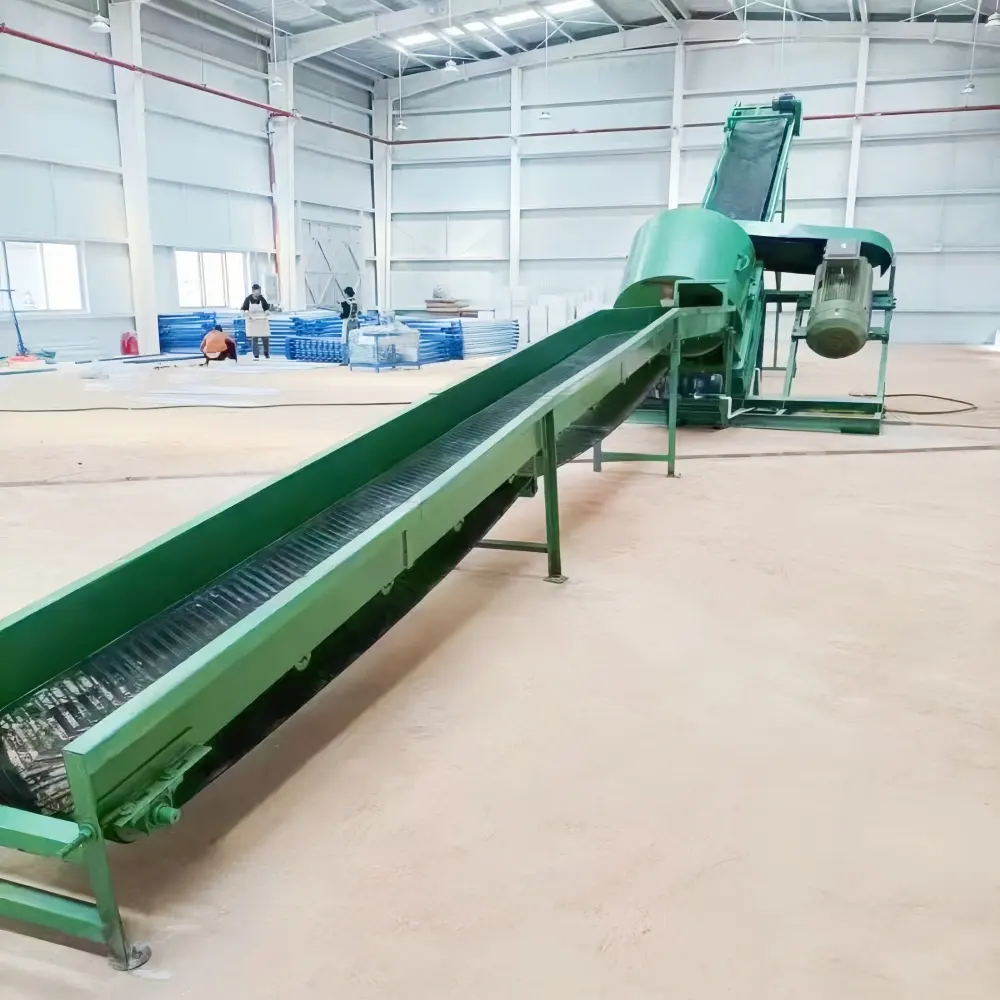
The biomass pellet production line is a systematic equipment that integrates the processing of biomass raw materials, shaping, and processing. Its core consists of a raw material pre-treatment system, a pelletizing machine, a cooling and screening system, a packaging system, and an intelligent control system. Its working process forms a complete closed loop: Firstly, through the crushing equipment, the raw materials such as straw, wood chips, and mushroom residue are processed into uniform materials. After being dried by the equipment to remove excess moisture, they are sent by the conveying system into the pelletizer. Under the mechanical compression effect, high-density pellets are formed. Finally, after cooling and screening to remove impurities, standardized biomass pellet products can be produced. The entire production line adopts automatic control and can flexibly adjust parameters according to the characteristics of raw materials and product requirements to achieve continuous and stable production.
Green environmental protection and resource recycling are the core advantages of the biomass pellet production line. This production line uses agricultural and forestry waste as raw materials, transforming the previously idle or incinerated biomass resources into valuable products, reducing air pollution caused by waste incineration and lowering dependence on fossil energy. During the production process, there is no pollutant emission. The carbon emissions from the combustion of the finished biomass pellets are much lower than those of coal, and the ashes can be used as organic fertilizer for returning to the fields, forming a “resource – product – waste – recycled resource” circular system. A person in charge of a biomass energy enterprise said: “One production line can consume over 10,000 tons of straw per year, equivalent to reducing a large amount of fossil fuel consumption. The environmental benefits and social benefits are very prominent.”
Efficiency, stability and cost advantages have further enhanced its market competitiveness. The production line adopts a modular design, with each link operating in coordination. Compared with the traditional decentralized processing mode, the production efficiency has been significantly improved, and the finished product has high particle density and stable combustion value, which is convenient for storage and transportation. In terms of cost, the raw material sources are extensive and the prices are low. The energy consumption during the production line operation is also relatively low, which gives the biomass pellet products a significant competitive advantage in terms of price. In addition, the core components of the equipment are made of wear-resistant materials, and are combined with an intelligent fault warning system. The failure rate is low, maintenance is convenient, and it effectively reduces the operating costs of the enterprise.
The diverse application scenarios have enabled the biomass pellet production line to take root in multiple fields. In the power industry, biomass pellets can be used as fuel for biomass power plants; in the industrial sector, they can replace coal for heating boilers and industrial kilns in production processes, applicable to industries such as building materials, textiles, and food processing; in the agricultural field, they can be used for heating in greenhouses and drying of agricultural products; in the civilian sector, the formed biomass pellets can be used as clean fuels for household heating and cooking. At the same time, in scenarios such as waste treatment plants and sewage treatment plants, it can also convert organic waste into energy, achieving the dual value of environmental protection and energy utilization.
With the continuous advancement of new energy technologies, the biomass pellet production lines are upgrading towards intelligence and large-scale operation. The new production lines integrating functions such as AI intelligent control, remote operation, and real-time energy monitoring have been gradually put into use, further enhancing the precision and efficiency of production. In the future, the biomass pellet production lines will continue to focus on the field of biomass energy, providing stronger industrial support for promoting the green transformation of the energy structure and achieving the “carbon neutrality” goals.